
RV Rooftop Ac Unit is one of the most technologically mature and efficient cooling solutions, but its integration with vans (Class B motorhomes) presents a fundamental contradiction: efficient cooling versus sacrificing vehicle height and ground clearance.
It’s ideal for van enthusiasts who don’t mind the roof protrusion, rarely drive in underground parking garages, and have high demands for cooling performance. However, van enthusiasts who prioritize a low-profile appearance and good ground clearance should think twice.

Analysis of the Core Advantages and Disadvantages of the RV Rooftop Ac Unit in Vans
Advantages (Why do many still choose it?)
Highest Cooling/Heating Efficiency:
1. Highest installation position, cold/hot air circulates from top to bottom, conforming to physical principles, resulting in uniform and rapid temperature distribution throughout the vehicle.
2. Designed specifically for the harsh environment of motorhomes (vibration, tilting), ensuring high reliability.
Saving Interior Space
All equipment is integrated into the roof “box,” without taking up valuable interior living space.
Relatively Standardized Installation
Although a large hole (approximately 40cm x 40cm) needs to be made in the roof, the process is mature, and the waterproofing solution is reliable.
Key Considerations: Your Car and Your Lifestyle
Before making a decision, please answer these questions:
What is the height of your vehicle?
For example: Your car is approximately 2.48 meters tall. Adding a rooftop air conditioner will increase the height to over 2.7 meters. This will exclude you from most places with height restrictions of 2.2-2.5 meters.
What are your main travel scenarios?
1. City driving and weekend getaways: Rooftop air conditioners are strongly discouraged.
2. Long-distance travel, extended stays, and camping: This can be considered, but you will need to accept wind resistance and changes to the vehicle’s appearance.
Have you planned your electrical system?
For a Rooftop Ac Unit (even for just one night), a lithium battery system with a capacity of at least 5-8 kWh (such as a 48V 100Ah or 12V 400-600Ah) and a 3000W inverter are recommended, along with high-power on-road charging and solar power.
For vans, RVs, or minibuses/RVs, the RV Rooftop Acoustic Unit is ideal if you prioritize extreme cooling/heating performance, primarily travel along highways, in the wilderness, and at campsites, rarely venturing into urban centers, and don’t mind a flashy appearance or increased wind resistance: a rooftop air conditioner (definitely choose an inverter model) is a reliable and efficient option.
If you prioritize your vehicle’s inherent off-road capability, prefer discreet camping, and frequently need to access city underground parking garages: prioritize a DC inverter split-type air conditioner or a highly efficient ventilation + localized cooling combination solution.
Related posts:
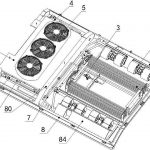 Bus Air Conditioner is used for buses and medium-sized commercial vehicles
 Air Conditioner In Camper
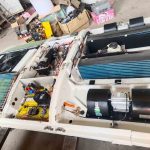 Introduction to Ac For Bus
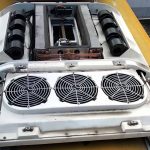 Rv Ac Unit Repair
 Camper Air Conditioner
 Bus Con Supplier reminds all bus owners to clean BUS AC
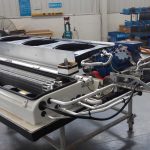 How does Ac For Buses Manufacture adapt to high-altitude environments?
 Campers With Air Conditioning
 Fixing Rv Air Conditioner