
Thermo King Bus Ac Unit demonstrated exceptional performance and reliability in high-temperature environments, maintaining stable operation even under extreme temperatures.
Thermo King Bus Ac Unit features an optimized airflow design and a powerful cooling system, enabling stable operation in harsh ambient temperatures up to 55°C.
Thermo King Bus Ac Unit achieves temperature control accuracy of less than ±1.2°C, effectively protecting temperature-sensitive cargo. Its heat dissipation design is optimized for high-temperature environments, preventing performance degradation due to hot air recirculation, which is particularly important in enclosed installation scenarios.
China – The only single country globally possessing all industrial categories under UN standards
China’s industrial system covers 41 major categories, 207 medium categories, and 666 minor categories, capable of independently completing the entire production chain from raw materials to finished products. A complete industrial system refers to a country or region possessing production capabilities covering all core industrial categories, including the entire chain from raw material mining and intermediate product processing to finished product manufacturing, and achieving technological self-sufficiency in key areas.
Chinese bus AC manufacturers have rapidly risen to prominence thanks to their strong industrial background, with SONGZ and BUSCLIMA being typical examples.
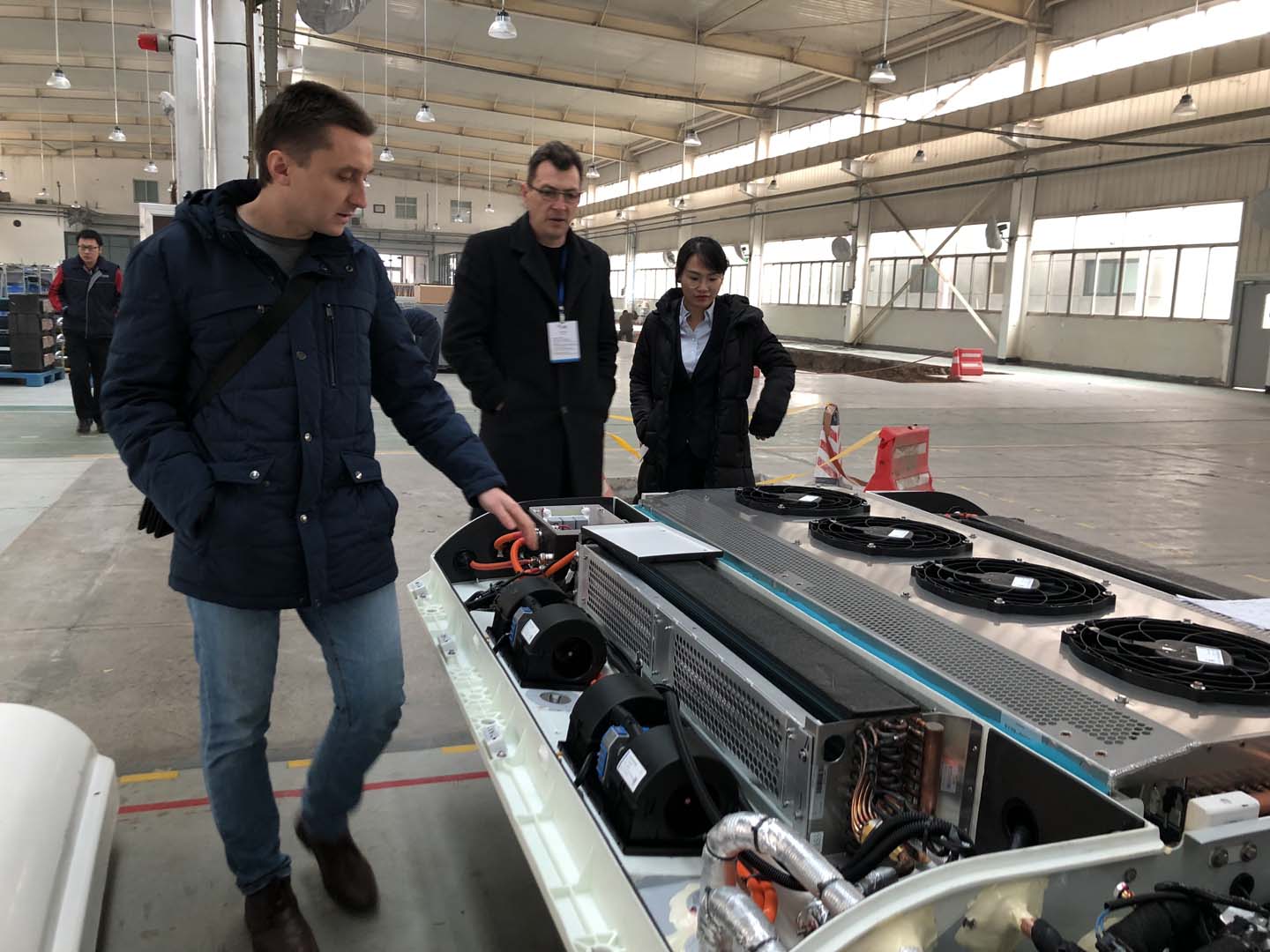
How can a bus AC unit operate stably in harsh environments up to 55°C?
This is a highly specialized and challenging problem. Ensuring stable operation of bus air conditioning at extreme temperatures of 55°C is the ultimate test of the entire air conditioning system’s design, manufacturing, and maintenance. This far exceeds the capabilities of ordinary air conditioners.
Busclima China systematically addresses this issue from four aspects: design selection, system enhancement, intelligent control, and specialized maintenance.
1. Design Selection – The Foundation of the Foundation
Ordinary bus air conditioner is completely inadequate at 55°C; industrial-grade or desert-specific air conditioning systems must be selected or customized.
High-Pressure Compressors
Compressors capable of withstanding extremely high operating pressures (especially discharge pressure) must be used. These are typically scroll compressors or specially enhanced reciprocating compressors, with specially designed motors and bearings to withstand high temperatures and heavy loads.
Large Heat Exchange Area
The condenser and evaporator sizes must be significantly larger than standard models. Increasing the heat exchange area is the most effective way to compensate for the decrease in heat exchange efficiency under high-temperature environments.
High-power condenser fan
A high-pressure, high-volume fan is required to “tear” through hot air even in high-temperature, low-density air, removing sufficient heat from the condenser.
2. System Enhancement – Targeted Engineering Improvements
High power alone is insufficient; the system and vehicle must be designed in tandem.
Independent condenser duct and spray system
Independent duct
Optimal air intake and exhaust ducts are designed for the roof-mounted condenser to avoid drawing in hot air from the engine exhaust or heat waves reflected from the ground, ensuring it always draws in relatively cool ambient air.
Active spray system
This is a key technology for ensuring operation at 55°C. When the system detects that the condensing pressure or temperature exceeds a threshold, it automatically sprays a fine water mist onto the condenser fins. The evaporation of water removes a significant amount of heat, significantly reducing the condensing temperature and ensuring the system pressure remains within a safe range. This system requires the integration of a water tank, water pump, and filter.
Thermal Shielding and Insulation
Vehicle Insulation
Thorough insulation of the bus compartment includes using high-reflectivity paint, thickened insulation layers on the roof and side walls, and coated or laminated insulated glass. The goal is to minimize the entry of external heat into the compartment.
Pipe Insulation
All high and low pressure pipes of the air conditioning system are thoroughly insulated to prevent cooling loss and external heat intrusion.
Large-Capacity Evaporator and High-Efficiency Airflow
The evaporator also needs to be enlarged to handle the large heat load of the compartment.
A well-designed duct system and high-efficiency fans ensure that cool air is delivered evenly and powerfully to every corner of the compartment, avoiding dead zones and short circuits.
3. Intelligent Control and Operating Strategies
Tiered Load and Soft Start
The air conditioning system should not simply switch between “on” and “off.” The intelligent control system should smoothly adjust the compressor speed and fan airflow based on the compartment temperature and ambient temperature, avoiding significant stress on the engine and power grid, and maintaining temperature stability.
Pre-cooling Mode
Before passengers board, using external power or by starting the engine in advance, the passenger compartment is pre-cooled for an extended period with high power, without the air conditioning being limited by engine power. This significantly reduces the burden on subsequent operation.
Forced Recirculation
During operation in extreme temperatures, the vehicle must always be in recirculation mode to avoid continuously drawing in 55°C hot outside air for cooling, which is futile and adds a huge load.
4. Stringent Maintenance Schedule
Under these harsh operating conditions, the frequency and standards of maintenance must be far higher than for ordinary vehicles.
Extreme Cleaning
The condenser and evaporator must be cleaned weekly or even daily to ensure that no dust, fluff, or insects clog the fins. Any dirt will have its negative effects amplified dramatically at 55°C.
Refrigerant and Pressure Monitoring
Special refrigerants suitable for high-temperature environments are used (such as R407C; R134a’s performance degrades at extremely high temperatures). System pressure is checked regularly by professional technicians to ensure absolutely accurate refrigerant dosage and to check for any minor leaks.
Comprehensive Inspection
Regularly inspect compressor belt tension, fan motor bearings, and electrical connections. All components operate under high temperature and high load conditions, requiring extremely high reliability.
If you require air conditioning for buses operating in this environment, you must consult directly with the professional engineering teams of Busclima or other top bus manufacturers. They can provide specialized models designed for regions such as the Middle East and the Australian Outback, whose air conditioning systems are designed and manufactured based on all the above principles. Visit www.busclima.com or contact busclima@kingclima.com. Never use standard-configuration buses and air conditioning systems to challenge this extreme environment.
Of course, as a leading representative of Chinese Bus AC Units, Busclima considers the Thermo King Bus AC Unit a benchmark product that has made a significant contribution to the bus transportation industry.
Related posts:
 Thermo King Bus Ac System & Busclima Bus AC System
 Thermo King Ac For Bus and Busclima China
 Thermo King Coaches HVAC and Busclima BUS HVAC
 Thermo King Bus Air Conditioner
 Thermo King Bus Ac
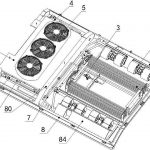 Bus Air Conditioner is used for buses and medium-sized commercial vehicles
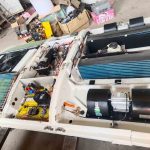 Introduction to Ac For Bus
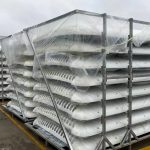 Bus Con Supplier reminds all bus owners to clean BUS AC